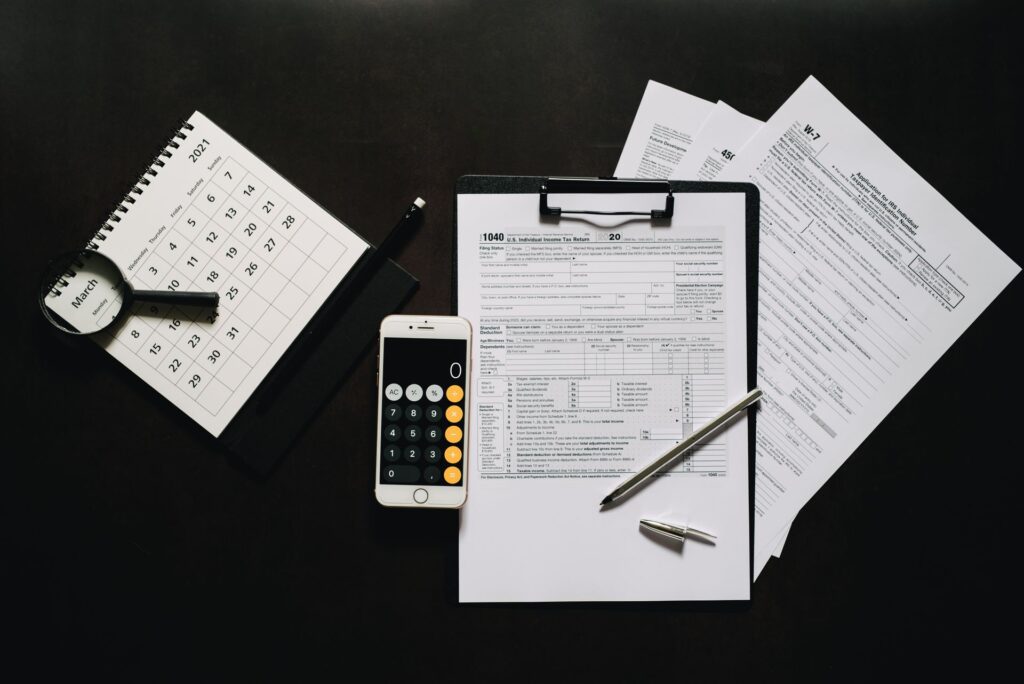
For most people the online return and any tax owed are due by 31 January after the end of the tax year on 5 April. Paper returns are due earlier, usually 31 October. You also normally need to register with HMRC by 5 October if you are new to Self Assessment. Dates can change, so we confirm them for you.
Do I need an accountant if I am a sole trader?
No, the law does not require it. But many sole traders use one to claim every allowable expense, avoid penalties and know how much to put aside. A late return can trigger an automatic penalty, so the fee often pays for itself.
How much should I set aside for tax?
It depends on your profit, but many sole traders find that setting aside roughly 20 to 30 percent of profit is a sensible starting point. We give you a tailored figure each quarter based on your actual numbers, because National Insurance and your other income change the answer.
When do I need to register for VAT?
You must register if your taxable turnover goes over the current threshold in any rolling 12 months, or if you expect to in the next 30 days. You can register earlier voluntarily. The threshold is reviewed by the government, so we check the current figure with you.
Get started
Tax feeling like a guessing game?
Book a free 20-minute chat. We will tell you what you need to file, by when, and what it will cost, in writing.